
Of all the stations on the former Forge Valley Line, I made the most extensive study of that at Thornton Dale. That was because it so happened that a temporary teacher at the Scarborough Sixth Form College was a tenant at the former station building, and she kindly granted me access to the building’s exterior. I could therefore examine the site in great detail without any risk of being accused of trespassing.
I produced drawings of several elevations, including the example above, by measuring the structure in detail. For measurements that I could not obtain directly with a tape measure (such as the overall height), I exploited the fact that the building was constructed of regular red brick, and computed the dimensions by literally counting the bricks.
As it turned out, I needn’t have bothered with all that! I wasn’t aware at that time that most of the constituent railway companies that formed British Railways had vast libraries of architectural drawings for structures that they had built. All the stations on the Forge Valley Line were to a standard design by William Bell, much used by the North Eastern Railway during the 1880s, and, a few years after my study, author J R Lidster published a book titled The Forge Valley Line, in which he included elevations of those stations. Oh well, at least my independent drawing efforts contributed to my A-level results, and helped me gain some skills!
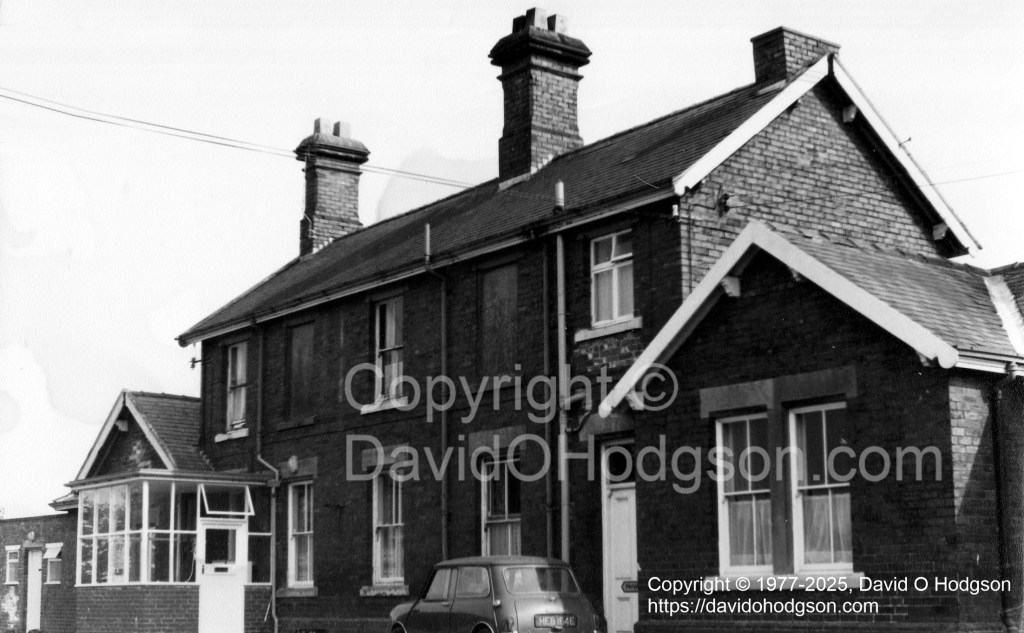
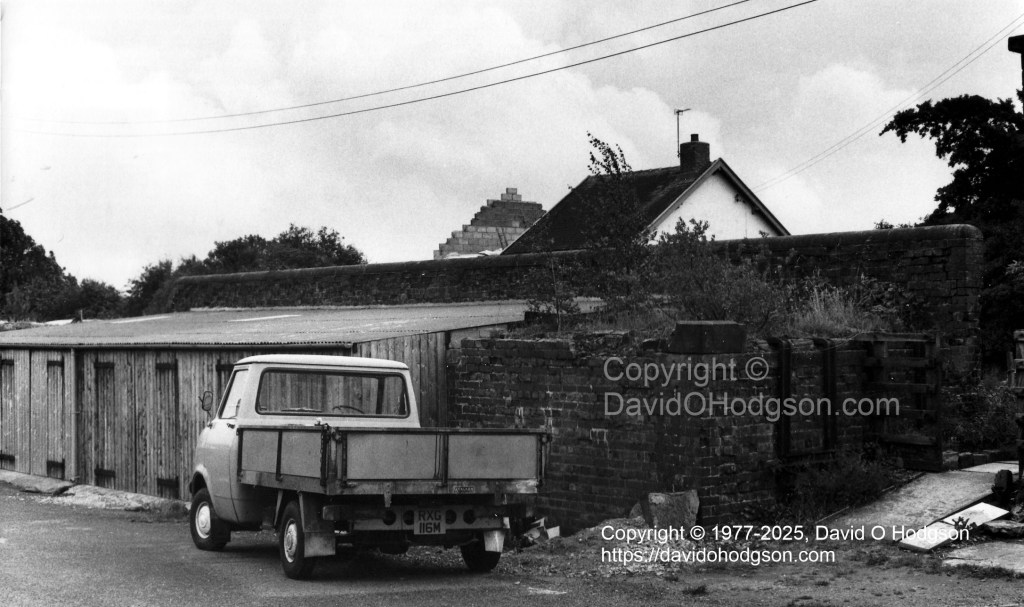
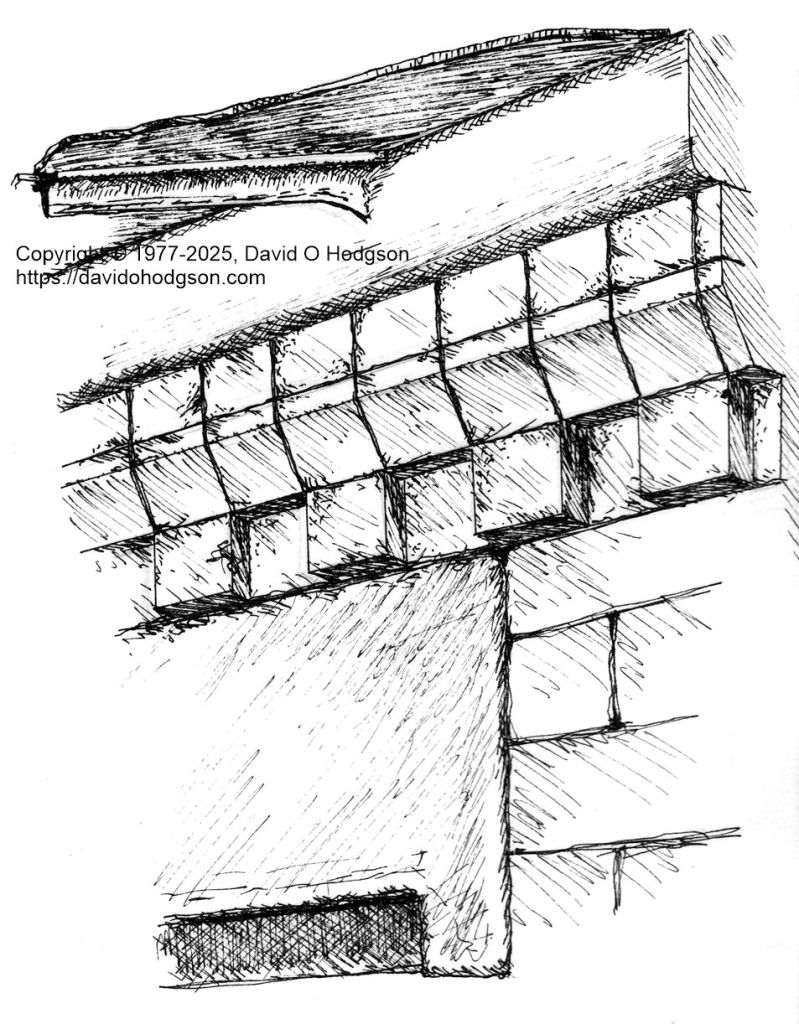
Part of the requirements for the A-level Art Project was that we should attempt to sketch details of the buildings we were studying, so I produced some detail drawings for Thornton Dale station. These were redrawn in ink from pencil sketches.

The following are some views from the former track side.
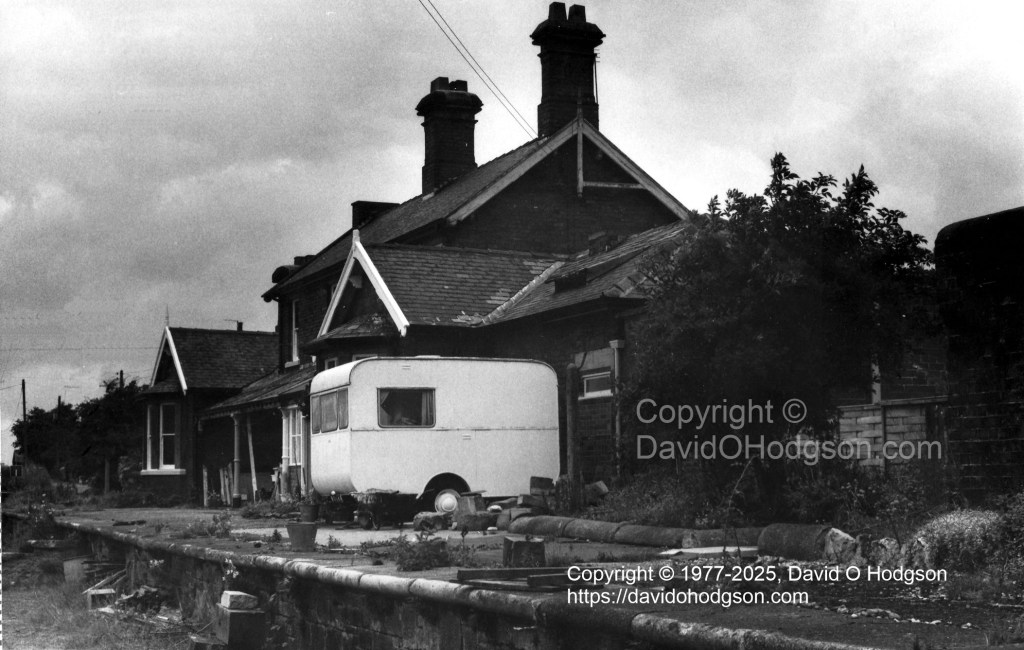
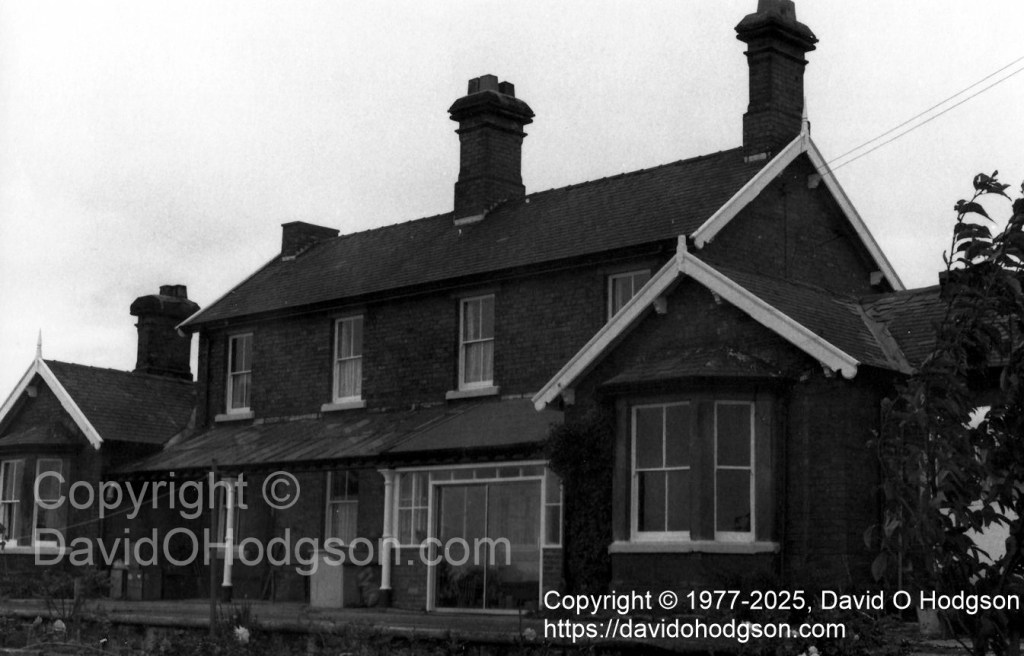
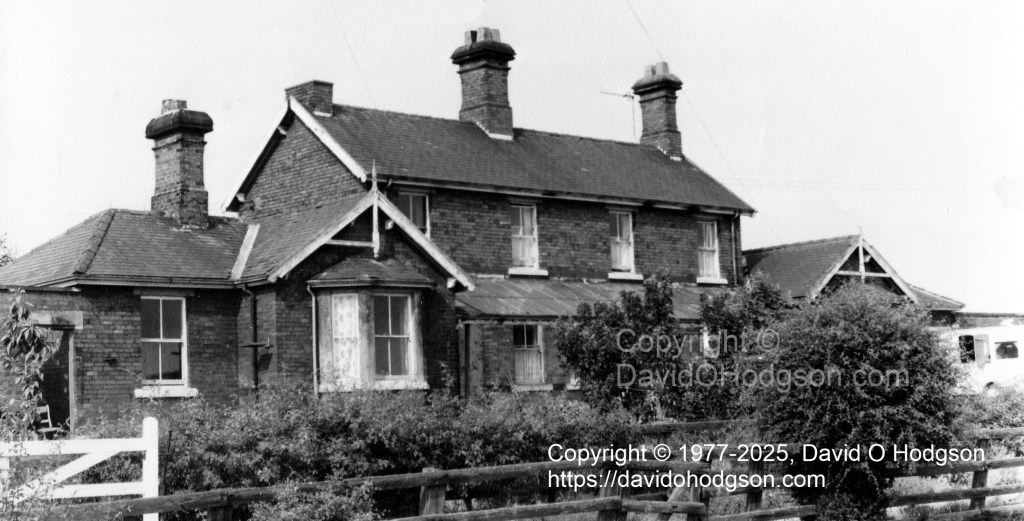
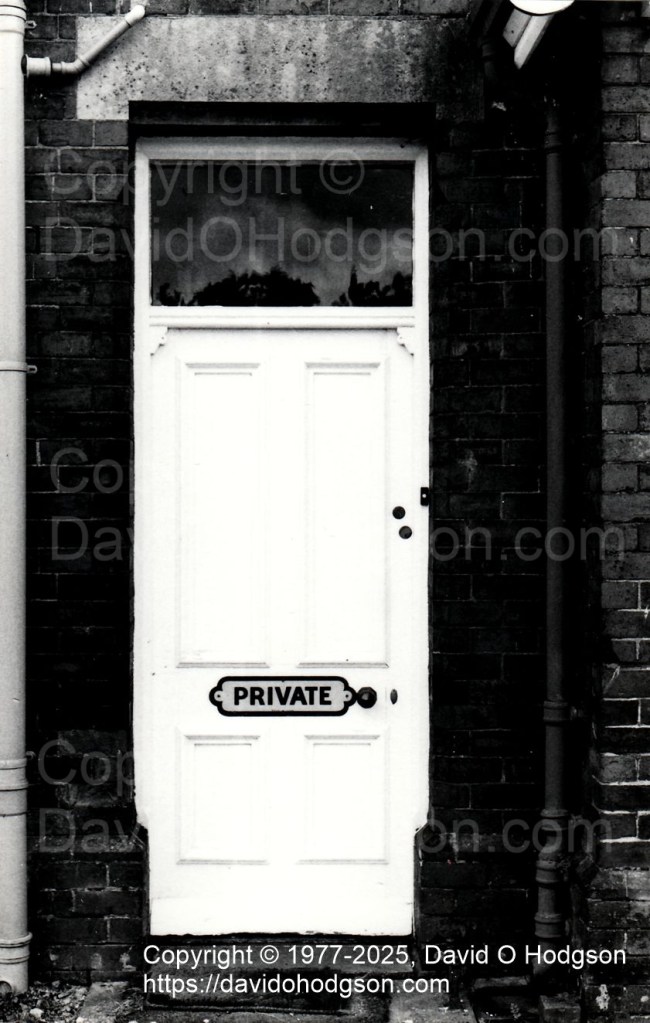
Finally, here are some more details from my thesis:
 David Hodgson Personal Blog